barbara-fraser.com
-
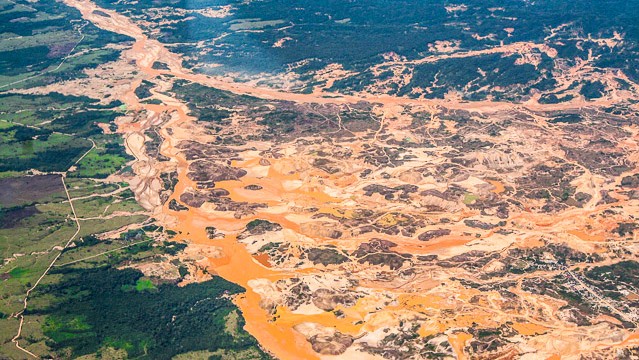
5 myths about mercury in Madre de Dios
Sunday, September 29, 2013
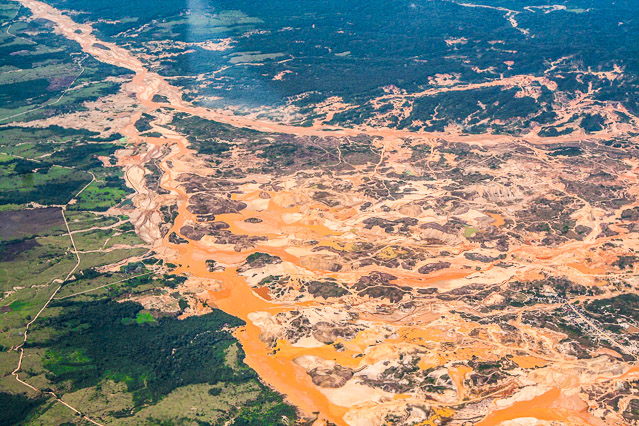
A new study found unsafe amounts of mercury in fish and people in Puerto Maldonado, the capital of Peru’s southeastern Madre de Dios Region. Average mercury levels in nine of…
-
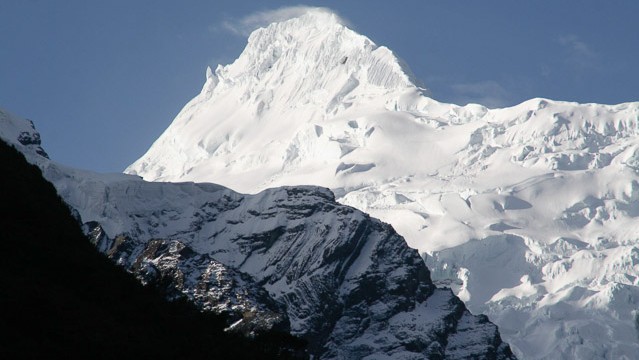
Andes mountains
Sunday, September 29, 2013
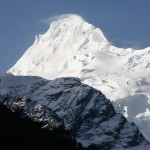
The uplift of the Andes mountains over millions of years has been due to a combination of plate tectonics and volcanism. Tectonic plates are sections of the earth’s crust that are in…
-
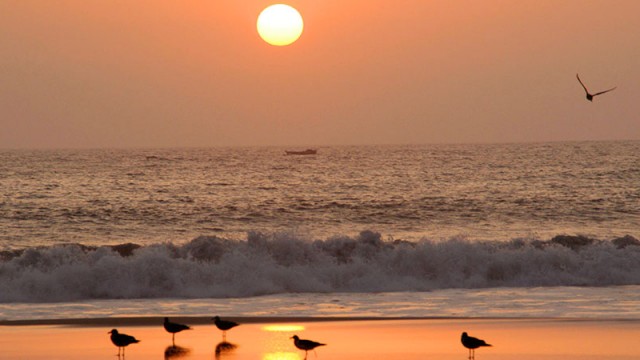
Pacific coast
Sunday, September 29, 2013
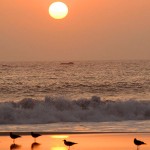
Peru’s coast is a long strip of desert cut in more than 50 places by seasonal rivers that flow from the Andes to the Pacific Ocean. But the coast…
-
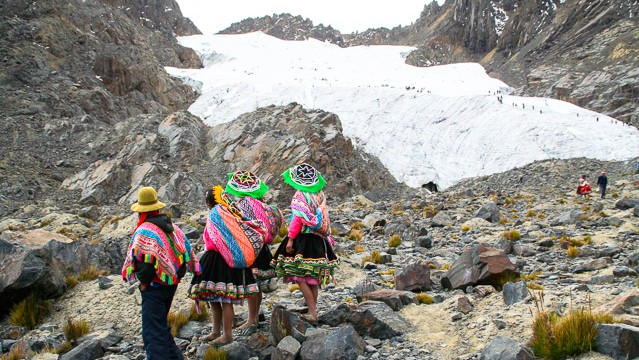
Tropical glaciers
Sunday, September 29, 2013
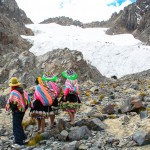
The Andes are topped by the largest concentration of ice anywhere in the Earth’s tropics (the belt around the middle of the planet, between 30 degrees North and 30 degrees…
-
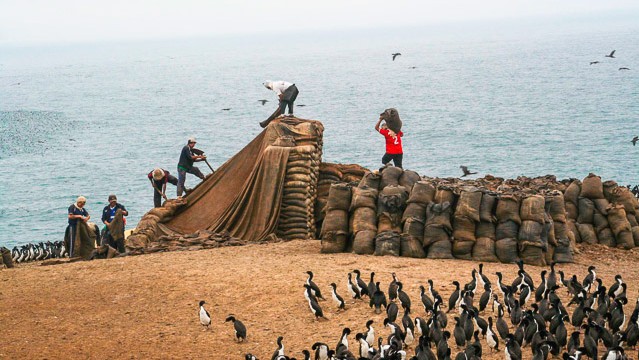
Guano islands
Sunday, September 29, 2013
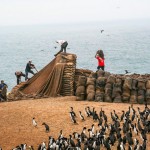
Along the Peruvian coast is a string of rocky islands and peninsulas that are home to guanay cormorants, boobies, and pelicans. The birds leave the islands every morning…